:2026-03-07 21:12 点击:2
Content:
In the fast-moving world of cryptocurrency, few questions spark as much debate as “Is it time to buy Ethereum?” As the second-largest digital asset by market cap, Ethereum has long been hailed as more than just a “crypto coin”—it’s a decentralized platform powering smart contracts, NFTs, DeFi, and even the backbone of Web3. But with its price swinging wildly, regulatory scrutiny tightening, and the crypto market still reeling from past downturns, potential investors are left wondering: Is Ethereum a smart buy right now, or a gamble too far? To answer that, we need to weigh the opportunity against the risks.
The Bull Case: Why Ethereum Still Shines
First, let’s start with the reasons to be optimistic. Ethereum isn’t just another Bitcoin clone; it’s a platform, and that gives it real-world utility. Think of it as the “Android of crypto”—while Bitcoin is digital gold, Ethereum is the operating system for decentralized applications (dApps). From Uniswap (a decentralized exchange) to OpenSea (the largest NFT marketplace) to Aave (a lending protocol), Ethereum’s ecosystem is home to over 3,000 dApps, processing millions of transactions daily. This isn’t just hype: in 2023, Ethereum’s total value locked (TVL) in DeFi consistently hovered around $30–$40 billion, proving developers and users are still building on it.
Then there’s the “Ethereum Merge” in September 2022, a game-upgrading shift from “Proof of Work” (PoW) to “Proof of Stake” (PoS). This cut the network’s energy consumption by ~99.95%, making it far more environmentally friendly and attracting institutional investors who’d previously shunned crypto for its carbon footprint. PoS also let users “stake” their ETH to help validate transactions, earning passive yields—currently around 4–6% for stakers. This turned ETH from a speculative asset into something with “yield potential,” a big draw for long-term holders.
Technologically, Ethereum is evolving fast. “Layer 2” solutions like Arbitrum and Optimism are scaling the network to handle more transactions at lower fees (solving a key pain point of the old Ethereum). Upcoming upgrades, like “Proto-Danksharding” (slated for 2024), aim to make transactions even cheaper and faster. For investors, this means Ethereum isn’t just resting on its laurels—it’s actively improving to stay competitive.
The Bear Case: Risks That Can’t Be Ignored
But optimism alone isn’t enough. Ethereum comes with significant risks, and ignoring them could lead to costly mistakes.
First, volatility. Crypto markets are notoriously wild, and ETH is no exception. In 2021, Ethereum hit an all-time high of ~$4,800; by 2022, it had crashed to ~$1,000. Even in 2023–2024, it’s swung 20–30% in a single week. If you’re risk-averse, this kind of volatility can be gut-wrenching—and it’s not for the faint of heart.
Second, competition. Ethereum isn’t the only smart contract platform anymore. Rivals like Solana (fast, cheap transactions), Cardano (focus on sustainability), and Polkadot (interoperability) are chipping away at its market share. Solana, for instance, can process 65,000 transactions per second (vs. Ethereum’s ~15–30 pre-L2), and its lower fees ($0.001 vs. Ethereum’s $15–$20 at peak) have attracted developers and users alike. While Ethereum still leads in TVL and dApp count, the rise of competitors means it can’t afford to get complacent.
Third, regulatory uncertainty. Governments worldwide are cracking down on crypto, and Ethereum is in the crosshairs. The U.S. SEC has labeled ETH a “security” (a claim Ethereum disputes), and regulators are probing staking and DeFi platforms for compliance. In the EU, the MiCA regulation will impose strict rules on crypto issuances and exchanges. If regulators clamp down hard—banning staking or imposing heavy fees—Ethereum’s price and utility could take a hit.
Finally, technical risks. Ethereum’s upgrades are ambitious, but they’re not without hiccups. The Merge was smooth, but future rollouts (like Proto-Danksharding) could face delays or bugs. And if a major security breach hits a key dApp or exchange built on Ethereum, investor confidence could plummet—dragging ETH’s price down with it.
So, Should You Buy Ethereum Now?
The truth is, there’s no one-size-fits-all answer. Whether Ethereum is a “buy” depends entirely on your goals, risk tolerance, and timeline.
- For long-term believers: If you see Ethereum as the foundational layer of Web3—with a strong ecosystem, ongoing upgrades, and real-world utility—then now might be a good time to buy dollar-cost averaging (investing a fixed amount regularly to smooth out volatility). Even if the market dips, long-term holders who believe in Ethereum’s thesis often ride out the storms.
- For short-term traders: If you’re looking to make a quick profit, Ethereum’s volatility is a double-edged sword. You could gain 20% in a week—or lose 30%. Unless you have deep market knowledge and a solid risk management plan, short-term trading is more gambling than investing.
The Bottom Line
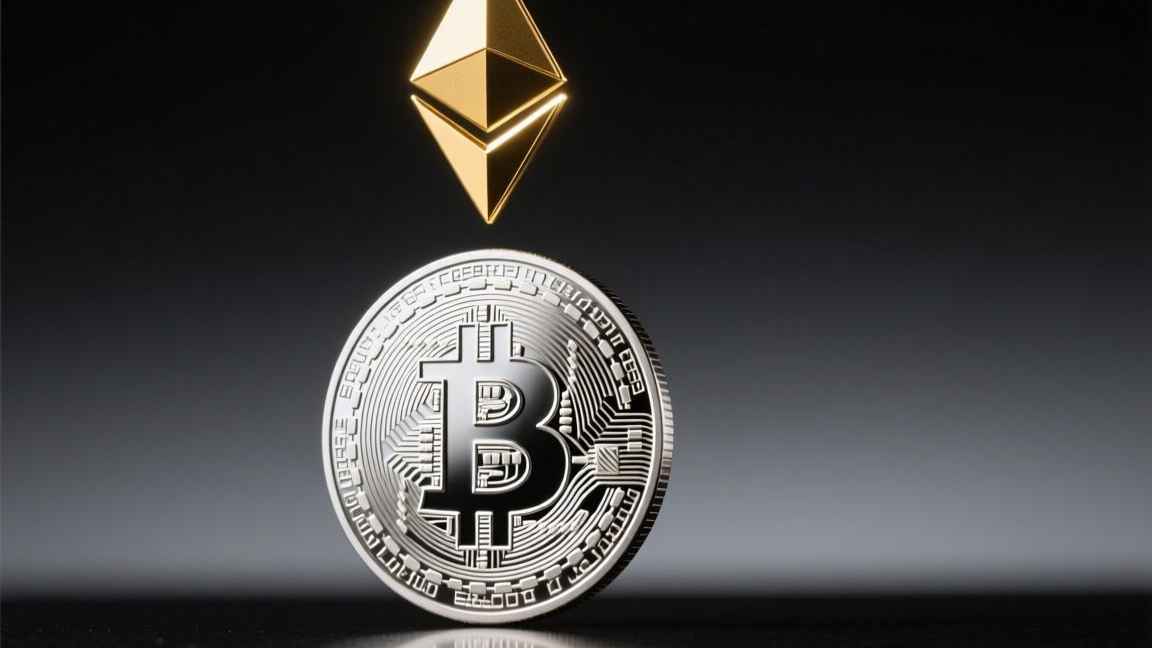
Ethereum isn’t a “sure thing”—no crypto is. But it’s one of the few digital assets with real utility, a thriving ecosystem, and a team actively improving it. For investors who believe in the long-term vision of Web3 and are willing to handle volatility, Ethereum could be a compelling addition to a diversified portfolio. Just remember: only invest what you can afford to lose, and do your own research (DYOR) before jumping in.
In the end, the question “Is it time to buy Ethereum now?” isn’t about timing the market—it’s about whether Ethereum aligns with your financial goals. If it does, and you’re prepared for the risks, then maybe now is the right time.
本文由用户投稿上传,若侵权请提供版权资料并联系删除!